

3d Scanning
We offer a metrology-grade 3D scanning service designed to bridge the gap between physical objects and digital models. By utilising advanced industrial hardware, objects are captured with an accuracy of up to 0.02mm -significantly finer than a human hair - ensuring the highest level of detail for engineering, design, and archival projects.
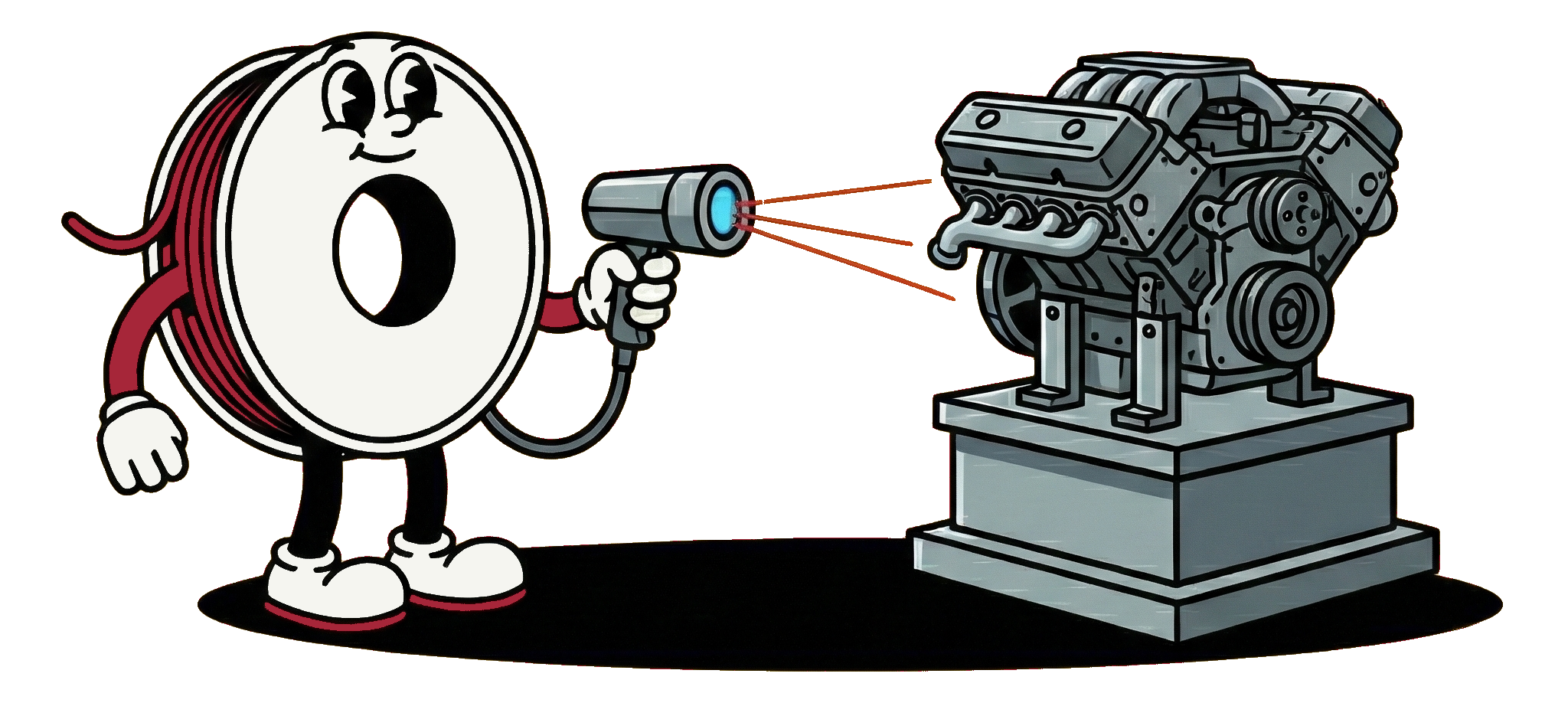
How does it work?
The scanning process utilises two distinct modes to ensure the best results based on the object's size and surface type:
Precision Laser Mode: This mode uses industrial blue lasers to capture ultra-fine details and sharp edges. It is highly effective for mechanical components and is capable of scanning shiny metal or dark surfaces without the need for temporary matte sprays.
Large-Scale Infrared Mode: Designed for larger objects and organic shapes, this mode allows for the rapid data capture of volumes up to 4 metres in length while maintaining high structural accuracy.
Use cases
3D scanning is more than just taking a digital picture; it is about creating a functional data set for your project. Here are a few ways this service is currently being utilised:
Reverse Engineering: Digitising obsolete or broken components to create accurate blueprints for manufacturing replacements.
Automotive & Marine: Scanning engine bays, interiors, or hulls to design custom-fit aftermarket parts and accessories.
Human Form & Digital Assets: Utilising eye-safe infrared technology to capture people in full colour. This ranges from creating sentimental 3D portraits and heirlooms to generating high-fidelity digital assets for film, television, and gaming.
Quality Inspection: Comparing a physical manufactured part against its original CAD design to identify deviations as small as 20 microns.
Art & Heritage: Creating high-fidelity, full-colour digital archives of sculptures or fragile historical artefacts.